
Habitat loss
Development will be across the marshes with an A-grade road cutting across.
Converter station: 9 hectares (90,000 m²).
Temporary haul roads: 1.5–2 hectares (15,000–20,000 m²).
Permanent access road: 0.25–0.5 hectares (2,500–5,000 m²).
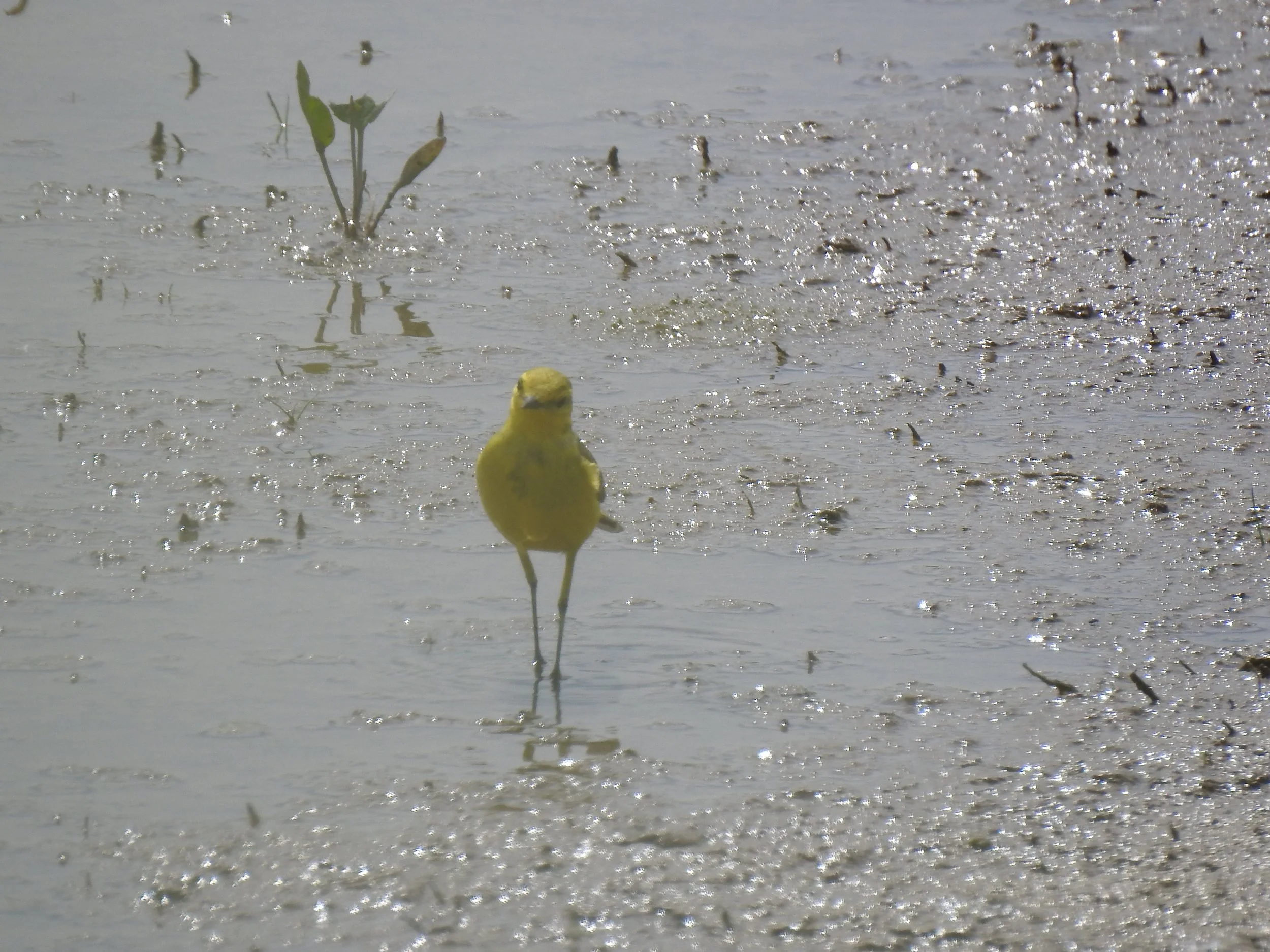
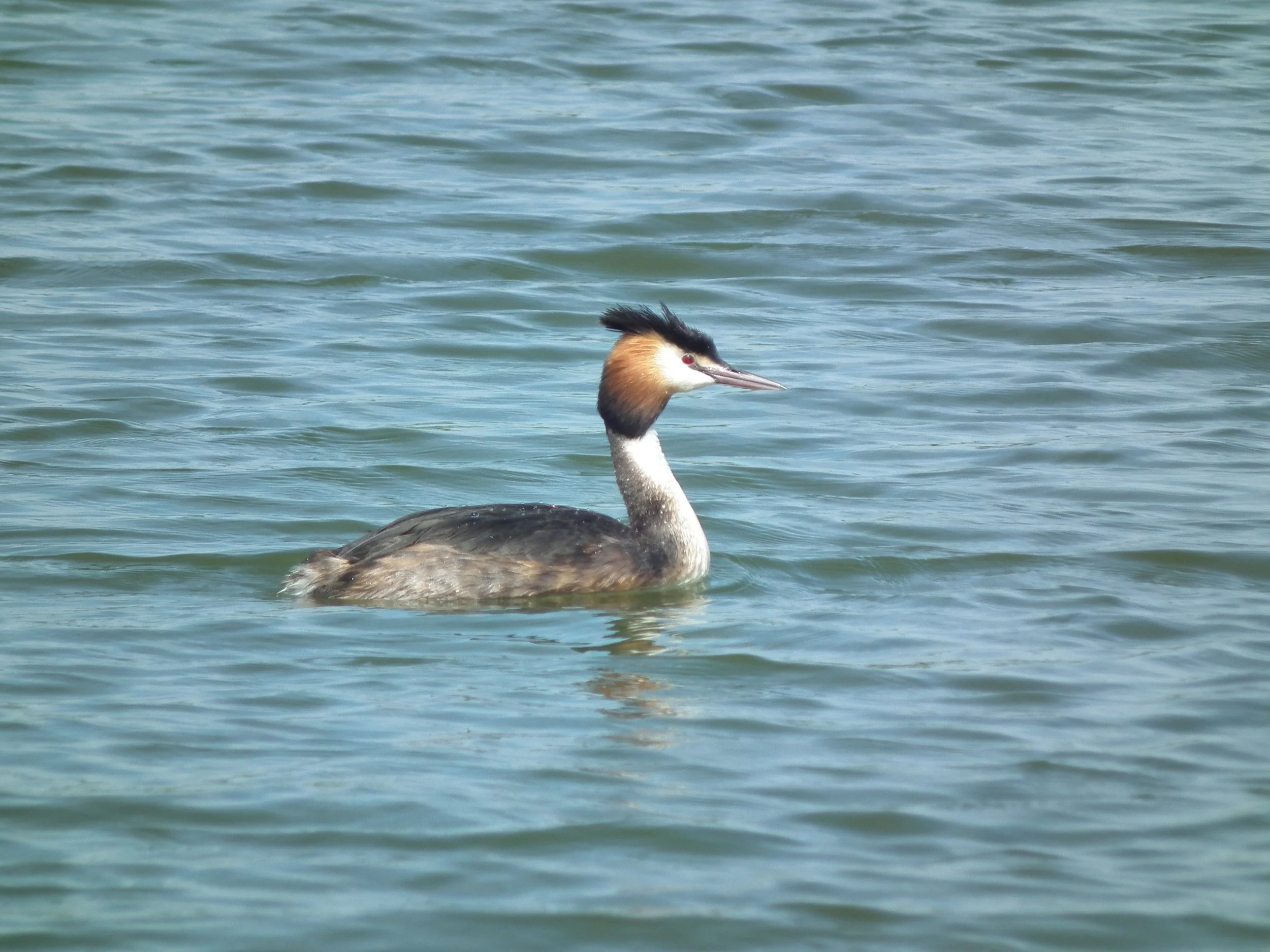
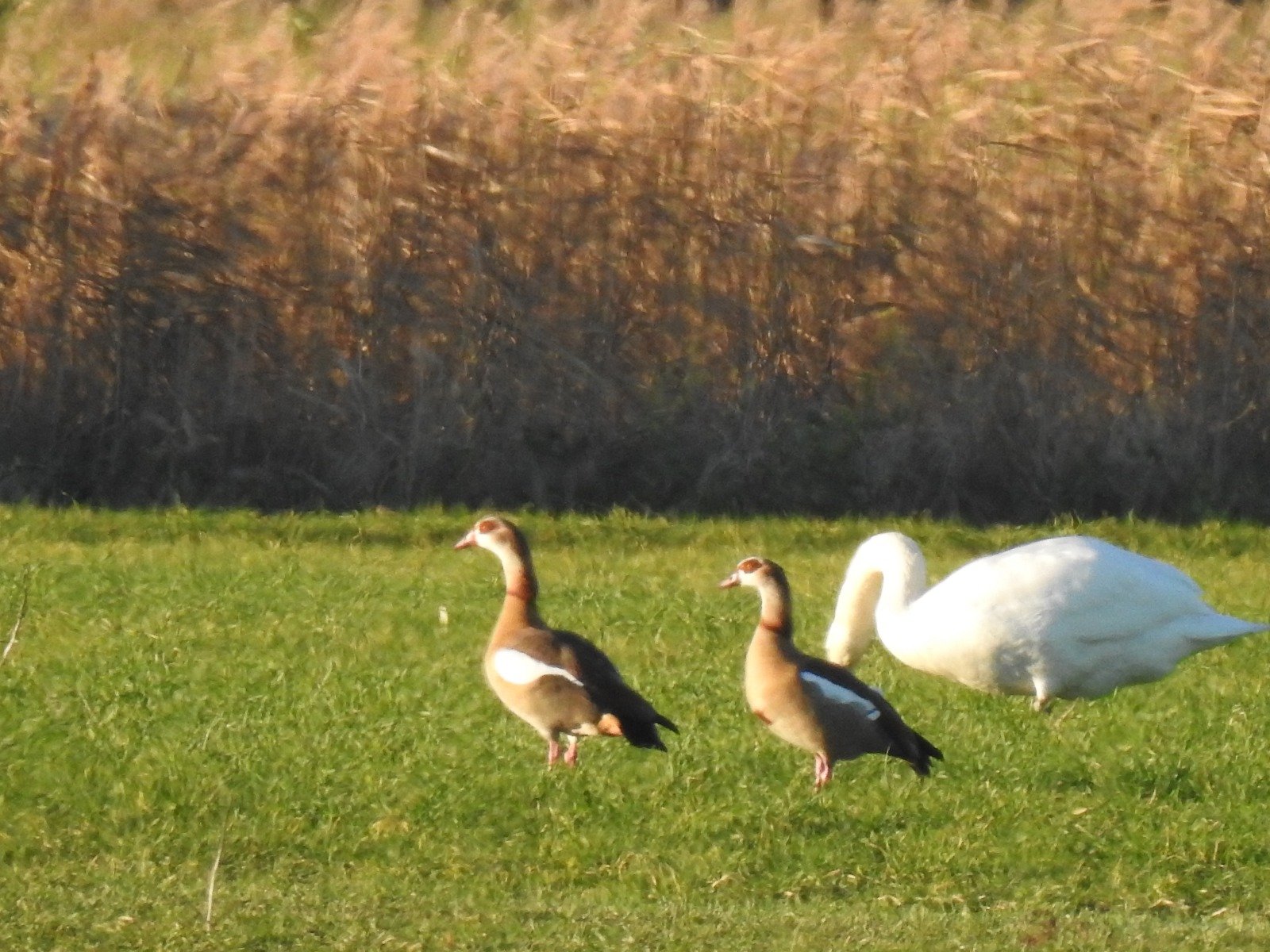
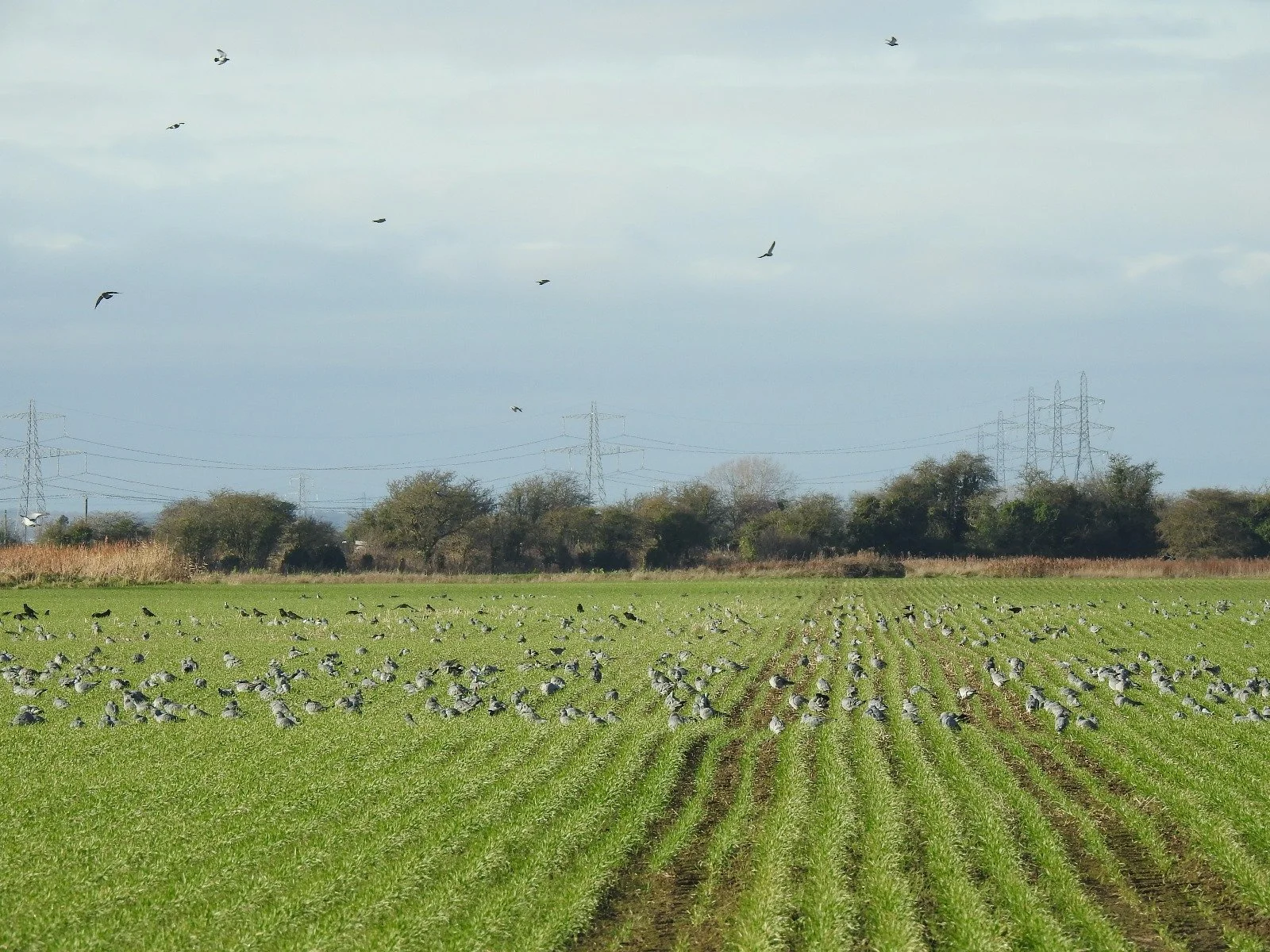
Proposed converter sited in-between River Stour and Minster Stream within 20 Meters of East Kent’s only inland Site of Special Scientific Interest on arable farmland with embedded wetland features; ditches, reedbeds, hedgerows, river habitats. Temporary development including a bridge will be running over an improved wetland habitat.
EC Directive 79/409 on the Conservation of Wild Birds:
Special Protection Area Thanet Coast (Kent)
The Thanet Coast proposed Special Protection Area includes a wide variety of coastal habitats including areas of chalk cliff, rocky shore, shingle, sand and mudflats, saltmarsh and sand dunes. As well as its value for breeding and wintering birds, the site supports outstanding communities of terrestrial and marine plant species, a significant number of rare invertebrate species, and is of considerable geological importance.
The Thanet Coast qualifies under Article 4.1 by supporting, in summer, a nationally important breeding population of little tern Sterna albifrons (30 pairs - over 1% of the British population).
The site also qualifies under Article 4.1 by supporting a nationally important wintering population of golden plover Pluvialis apricaria. During the five year period 1985/86 - 1989/90, an average peak count of 1,980 golden plover was recorded, representing 1% of the British wintering population.
The site qualifies under Article 4.2 by regularly supporting an internationally important wintering population of turnstone Arenaria interpres. In the five year period 1986/87 - 1990/91, an average peak count of 1,340 turnstone was recorded, representing 2% of the East Atlantic Flyway population and 3% of the British wintering population. The site also supports nationally important wintering populations of a further four species (average peak counts over the five year period 1986/7 - 1990/91): 370 ringed plover Charadrius hiaticula (over 1% of the British wintering population), 530 grey plover Pluvialis squatarola (over 2% of British), 700 sanderling Calidris alba (over 5% of British), and 40 Lapland bunting Calcarius lapponicus (about 11% of British).
In addition large numbers of migratory passerine birds pass through the site during the spring and autumn migration periods. These migratory birds have been monitored since 1952 by the Sandwich Bay Bird Observatory.

Key species Impacted
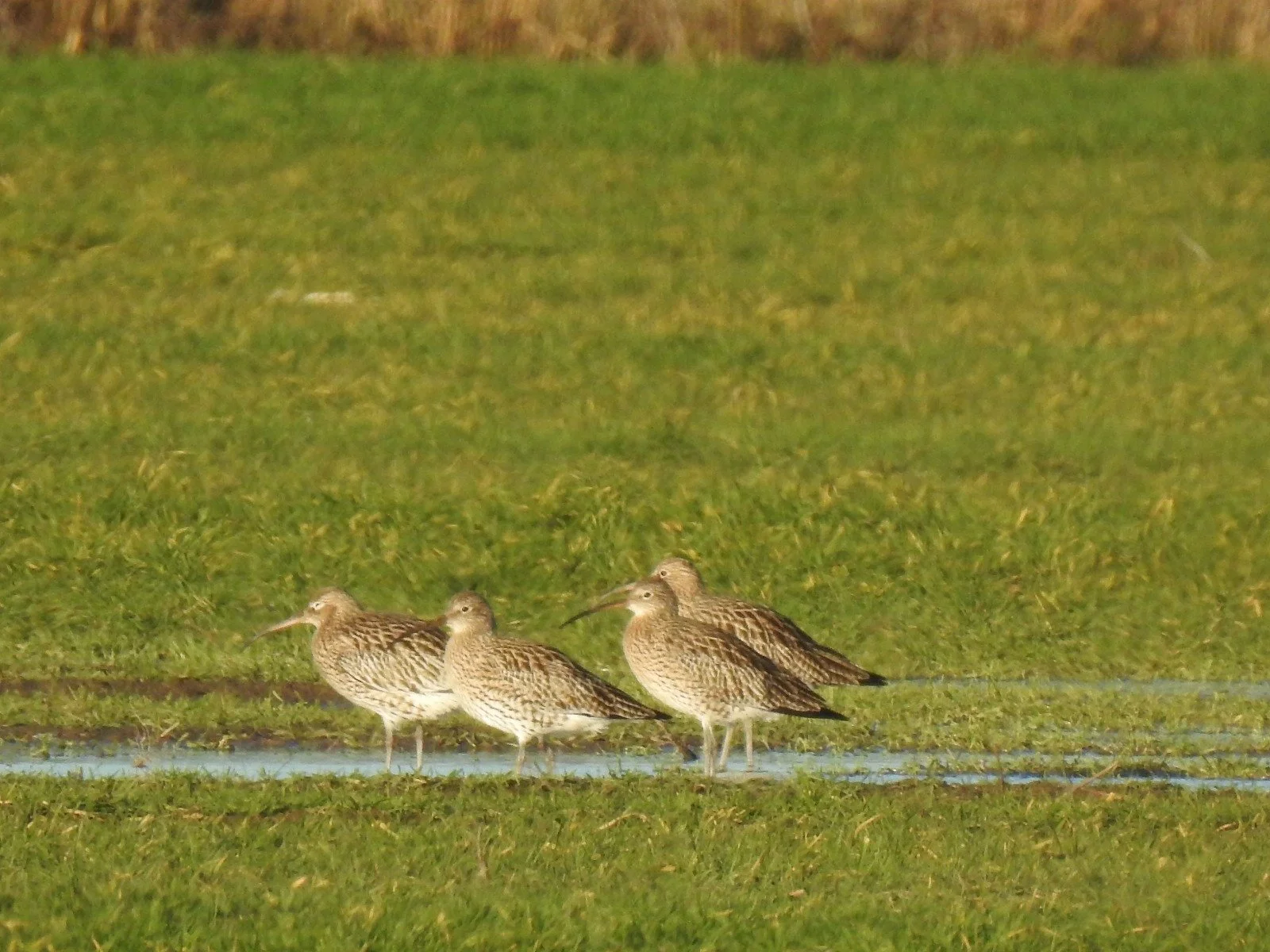
Golden plover (winter flocks of 100+), lapwing (50–100), water vole, European eel, marsh harrier, curlew and beaver populations suffer direct habitat loss or disruption.
Mitigation has not yet been adequately proposed to cover immense loss to the area.
Red-Listed Birds (Kent Ornithological Society [KOS] 2023-24 unless noted):
• Golden Plover (Pluvialis apricaria): Winter flocks 100+ (KOS 2023-24).
• Marsh Harrier (Circus aeruginosus): Regular sightings (KOS 2024).
• Lapwing (Vanellus vanellus): Winter flocks 50–100+ (KOS 2023-24).
• Snipe (Gallinago gallinago): Common in wet fields (KOS 2023-24).
• Skylark (Alauda arvensis): Abundant, spring breeding (KOS 2024).
• Linnet (Linaria cannabina): Small winter flocks (KOS 2024).
• Reed Bunting (Emberiza schoeniclus): Breeding in reeds (KOS 2023).
• Nightingale (Luscinia megarhynchos): Breeding in SSSI (KOS 2024, KWT).
• Corn Bunting (Emberiza calandra): Occasional sightings (KOS 2023).
• Yellowhammer (Emberiza citrinella): Breeding in scrub (KOS 2024).
• Grey Partridge (Perdix perdix): Rare, grassy patches (KOS 2023).
• Turtle Dove (Streptopelia turtur): Summer visitor in scrub (KOS 2023-24).
• Cuckoo (Cuculus canorus): Spring breeder in reedbeds (KOS 2024).
• Grasshopper Warbler (Locustella naevia): Rare summer breeder (KOS 2023-24).
• Spotted Redshank (Tringa erythropus): Winter migrant, wet pools (KOS 2023).
• Black Stork (Ciconia nigra): Rare visitor (KOS historical).
• Bewick’s Swan (Cygnus columbianus bewickii): Winter rare visitor (KOS 2023-24).
• Woodlark (Lullula arborea): Occasional, marsh edges (KOS 2024).
• Red-backed Shrike (Lanius collurio): Rare passage in scrub (KOS historical).
• Hen Harrier (Circus cyaneus): Winter roosts (KOS 2023-24).
• Curlew (Numenius arquata): Winter feeder, wet fields (KOS 2023-24).
• Redwing (Turdus iliacus): Winter flocks in fields (KOS 2023-24).
• Fieldfare (Turdus pilaris): Winter flocks in marshes (KOS 2023-24).
• Whinchat (Saxicola rubetra): Rare summer breeder in scrub (KOS 2024).
Rare Mammals:
• Beaver (Castor fiber): Confirmed locally (KWT 2023). (Enviorment Agency 2024)
• Water Vole (Arvicola amphibius): In ditches (KWT 2023).
• Harvest Mouse (Micromys minutus): In reeds (KMG 2023).
• Otter (Lutra lutra): Along Stour (KWT 2023).
• Brown Hare (Lepus europaeus): Open marsh (KMG 2023).
• Hazel Dormouse (Muscardinus avellanarius): Unconfirmed, scrub (KMG Kent records).
Other Key Species:
• Grey Heron (Ardea cinerea): Breeding colony (KWT 2023).
• Great Crested Newt (Triturus cristatus): Ditches and ponds (KRAG 2023).
• Grass Snake (Natrix helvetica): Common in wetlands (KRAG 2023).
• Adder (Vipera berus): Rare, marsh edges (KRAG 2023).
• Common Toad (Bufo bufo): In ponds (KRAG 2023).
• Marsh Fritillary (Euphydryas aurinia): Grasslands (BC 2023).
• Shrill Carder Bee (Bombus sylvarum): Flower-rich edges (BCT 2023).
• Marsh Mallow (Althaea officinalis): Wetland plant (KFG 2023).
• Fen Orchid (Liparis loeselii): Rare, possible (KFG 2023, Stodmarsh).
• European Eel (Anguilla anguilla): In ditches, (EA 2023).
• Spined Loach (Cobitis taenia): Stour ditches (EA 2023).
Further records can be found here in the wildlife section
Bird disturbance from current surveys